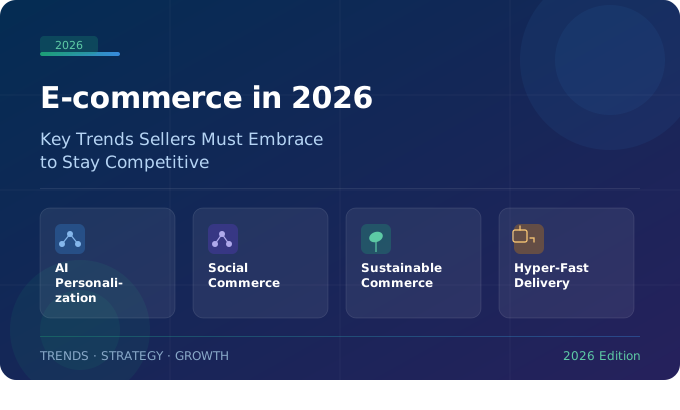
1. AI-Powered Personalization is No Longer Optional
Customers now expect highly tailored shopping experiences. AI-driven tools analyze browsing behavior, purchase history, and preferences to deliver personalized product recommendations, dynamic pricing, and targeted marketing.
What sellers should do:
- Use AI tools for product recommendations and email campaigns
- Personalize homepage content based on user behavior
- Implement smart chatbots for real-time assistance
2. Social Commerce is Driving Sales
Platforms like Instagram, TikTok, and Facebook have become powerful sales channels. Consumers are increasingly buying directly through social media without visiting traditional websites.
Action steps:
- Optimize your products for in-app shopping features
- Partner with influencers and micro-creators
- Use short-form video content to showcase products
3. Faster Fulfillment is a Competitive Advantage
Same-day and next-day delivery are becoming the norm. Customers prioritize speed and reliability when choosing where to shop.
How to keep up:
- Work with local warehouses or fulfillment partners
- Offer multiple delivery options at checkout
- Clearly communicate shipping times and costs
4. Sustainability Matters More Than Ever
Eco-conscious consumers are actively choosing brands that align with their values. Sustainability is now a deciding factor in purchasing decisions.
Ways to adapt:
- Use recyclable or minimal packaging
- Highlight eco-friendly practices on your site
- Offer carbon-neutral shipping options
5. Mobile-First Shopping Experience
Mobile commerce dominates, with the majority of purchases happening on smartphones.
Optimization tips:
- Ensure your website is fully mobile-optimized
- Simplify navigation and checkout processes
- Use fast-loading pages to reduce bounce rates
6. Omnichannel Selling is Essential
Customers interact with brands across multiple touchpoints—websites, marketplaces, social media, and even physical stores.
Best practices:
- Integrate all sales channels into one system
- Maintain consistent pricing and branding
- Use centralized inventory management
7. First-Party Data is the New Gold
With increasing privacy regulations and the decline of third-party cookies, collecting and leveraging first-party data is critical.
What to focus on:
- Build email and SMS subscriber lists
- Offer incentives for account creation
- Use loyalty programs to gather customer insights
8. Subscription Models and Repeat Revenue
Subscription-based selling is growing across industries, from beauty to groceries.
Ideas to implement:
- Offer subscription plans for consumable products
- Provide discounts for recurring purchases
- Create membership perks for loyal customers
9. Voice and Visual Search Are Emerging
Consumers are increasingly using voice assistants and image-based search to find products.
How to prepare:
- Optimize product listings with natural language keywords
- Use high-quality images with proper tagging
- Ensure your SEO strategy includes conversational queries
10. Customer Experience is the Ultimate Differentiator
In a crowded market, experience often matters more than price.
Enhancement strategies:
- Provide excellent customer support
- Simplify returns and refunds
- Gather and act on customer feedback
Final Thoughts
E-commerce in 2026 is more dynamic and competitive than ever. Sellers who embrace innovation, prioritize customer experience, and leverage data effectively will stand out and thrive.
Start by adopting one or two of these trends, measure the impact, and scale your efforts. The future of e-commerce belongs to those who adapt quickly and think customer-first.
Grow your e-commerce business across multiple sales channels via Selro. Start your FREE trial at https://www.selro.com