Running a successful e-commerce business today isn’t just about listing products online—it’s about managing complexity. As sellers expand across platforms like Amazon, eBay, Shopify, Etsy, and more, growth often brings operational chaos.
The good news? Scaling doesn’t have to mean losing control.
In this guide, we’ll break down how to grow your multi-channel business efficiently while staying organised, profitable, and stress-free.
The Challenge of Multi-Channel Growth
Selling on multiple platforms increases your reach—but it also multiplies your workload.
Common challenges include:
- Inventory mismatches across channels
- Overselling or stockouts
- Time-consuming manual listing updates
- Disconnected order management
- Inconsistent pricing strategies
Without the right systems in place, scaling can quickly become overwhelming.
Centralise Your Operations
The first step to scaling successfully is centralisation.
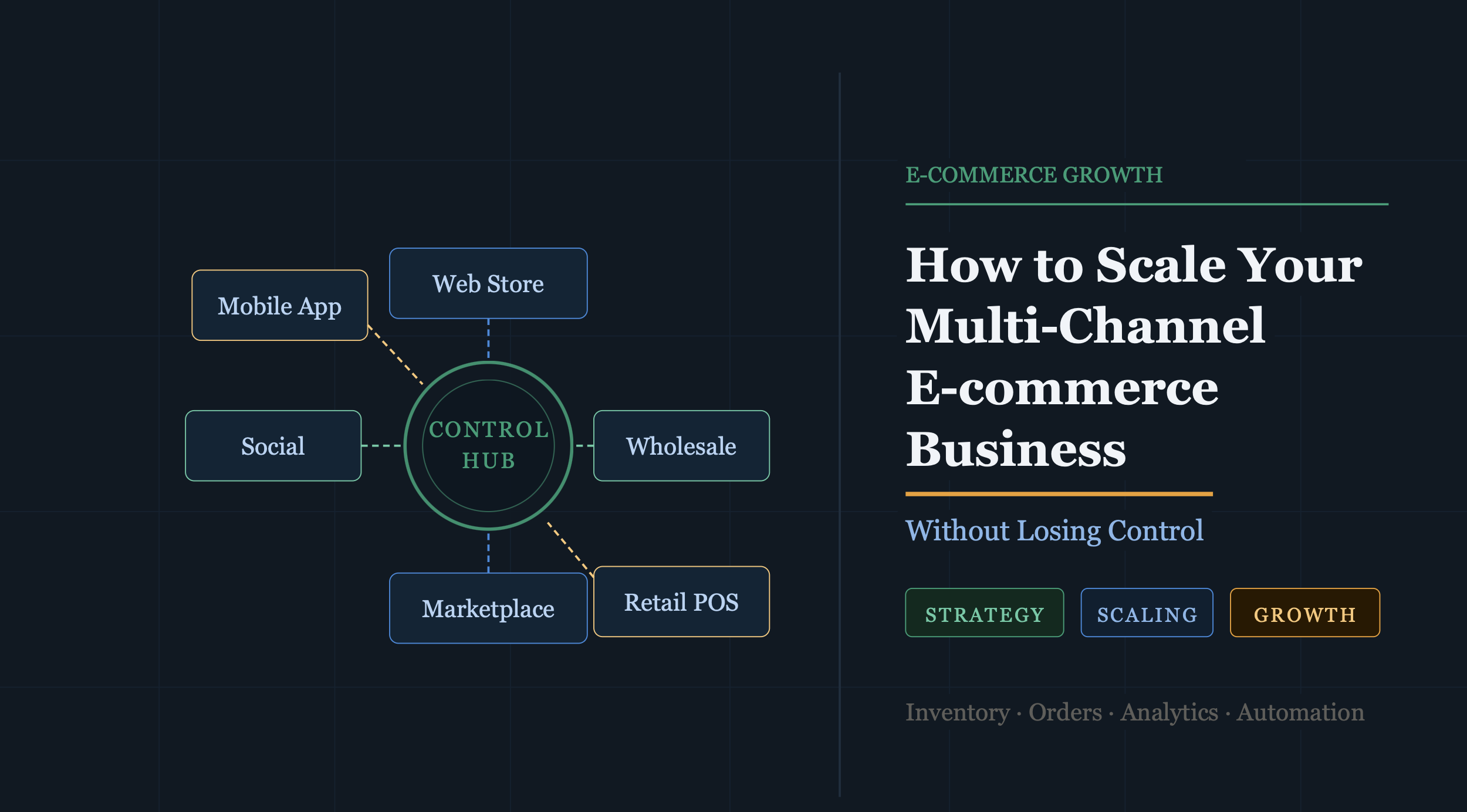
Instead of managing each marketplace separately, bring everything into one unified system.
A centralised platform allows you to:
- Manage listings across all channels from one dashboard
- Sync inventory in real time
- Process orders efficiently
- Maintain consistent product data
This eliminates duplication and reduces the risk of costly errors.
Automate Repetitive Tasks
Manual processes are the biggest barrier to scaling.
Automation helps you save time and reduce human error. Key areas to automate include:
Inventory Syncing
Automatically update stock levels across all platforms when a sale is made.
Order Processing
Streamline order flows from multiple channels into one system.
Pricing Rules
Set dynamic pricing strategies to stay competitive without constant monitoring.
Listing Creation
Use AI-powered tools to generate product titles, descriptions, and categories quickly.
Automation frees up your time so you can focus on growth rather than operations.
Optimise Your Listings for Each Channel
Not all marketplaces are the same. What works on eBay may not perform well on Amazon or Etsy.
To maximise visibility:
- Tailor titles and descriptions per channel
- Use relevant keywords for each platform
- Follow marketplace-specific guidelines
- Optimise images and attributes
Smart sellers combine automation with customisation for the best results.
Maintain Accurate Inventory Control
Inventory issues can damage your reputation and profits.
Best practices include:
- Real-time stock syncing
- Buffer stock rules to prevent overselling
- Centralised inventory tracking
- Regular stock audits
Accurate inventory management builds trust with customers and marketplaces alike.
Use Data to Drive Decisions
Scaling isn’t just about doing more—it’s about doing better.
Track key performance metrics such as:
- Sales by channel
- Best-performing products
- Profit margins
- Return rates
Use this data to:
- Focus on high-performing channels
- Adjust pricing strategies
- Optimise your product catalogue
Data-driven decisions lead to sustainable growth.
Expand Strategically
It’s tempting to list on every marketplace—but not all channels will suit your business.
Instead:
- Start with platforms where your products perform best
- Gradually expand to new channels
- Test and optimise before scaling further
Quality expansion beats rapid, uncontrolled growth.
Deliver a Consistent Customer Experience
Your brand reputation depends on customer satisfaction.
Ensure consistency across channels by:
- Standardising shipping processes
- Providing accurate product information
- Offering reliable customer support
- Managing returns efficiently
A smooth customer experience leads to repeat sales and positive reviews.
How Selro Helps You Scale
Scaling a multi-channel business becomes much easier with the right tools.
Selro is designed to simplify and automate your operations by:
- Centralising listings, inventory, and orders
- Syncing stock in real time across all marketplaces
- Automating workflows and reducing manual effort
- Supporting multiple platforms from one interface
With Selro, you can grow your business confidently—without losing control.
Final Thoughts
Scaling your e-commerce business doesn’t have to be chaotic.
By centralising your operations, automating key processes, and making data-driven decisions, you can expand across multiple channels while staying organised and efficient.
The right strategy—combined with the right tools—turns growth into opportunity, not stress.